
Nope…not me, bears don’t get embarrassed. Not Connie or Neil either…although they are unable to understand some of the human kid’s opinions. Nope…it’s the Alabama football team…but Ima gonna get to that in just a bit.
This post was originally gonna be about our trip a couple weeks back to Daytona Beach for the Florida Ladies of Elks (FLOE) convention and include a few pictures from a mostly bust trip to Black Point Wildlife Drive Neil took that weekend. But Ima gonna get to that in another bit because we got bigger fish to fry this week.
This week…it’s Milton…and Ima not talkin’ ‘bout Berle or any of the other famous Milton’s (if there any of those…can’t recall any more). Hurricane to be Milton which is currently down in the Campeche Basin directly west of the Yucatan peninsula…for those of you not familiar with the geography it’s just about due south of the LA/TX border as I type this on Sunday October 6. It’s heading east and then northeast with landfall as a cat 2, 3, or 4 storm depending on who you believe (most are calling it a 2 or 3) about Tampa but the cone goes from the Big Bend area where Helene came in down to south of Naples…and it will get to FL midday on Wednesday.
The good news is that we’re pretty much ready for it. Concrete block house with tile roof, we’ll put up the shutters and bring the lanai stuff in tomorrow and/or Tuesday. Checked the generator operation (started on the second pull) and have battery banks, UPSes and flashlights charged and plenty of spare batteries for the non rechargeable ones. We’ll fill the tub with water for toilet operations just in case and have plenty of food and water. Flooding even during Ian was a non issue here in our development and there aren’t any more trees that could come down and break the lanai screens again. Neil’s car is full of gas and not going anyplace before Wednesday and Connie’s is 3/4 full but he’ll have her fill up on the way home from chorus tomorrow. I’m pretty sure that both the Ladies of Elks meeting/lunch on Tuesday and Bingo on Wednesday will both be cancelled but we’ve no official notification on that.
The bad news…is that we were supposed to leave Wednesday at zero dark thirty for a 2 day drive to Philadelphia for a Saint-Saëns Symphony #3 Organ concert (the same one we go to hear quite a lot) then a stop in Baltimore to see our friend Cynthia and then a couple day stop in Midlothian to see the human kids and grandkid. We cancelled the Philly hotel yesterday since that was the last no cost day and Connie will kill the rest of them today. With the hurricane coming…although we’ve got nothing to fear from wind or water…if power goes out which isn’t a certainty but somewhere between likely and more likely than not…well, we would lose 3 freezers and 2 fridges worth of food and that’s a lot of bucks. We’ll be out the tickets to the concert of course but that’s the way it goes. Connie is bummed about not seeing the not quite so little guy Alex but it is what it is.
I see the liberals including their human kid (where did they go wrong they keep asking themselves) are all up in arms and demanding that Israel stop hostilities against Hamas in Gaza and Hezbollah in Lebanon because “they’re killing innocent people” and “they’re invading another country”…and let’s not forget “Israel is so much more powerful militarily than either Hamas or Hezbollah”.
Let’s face it…war sucks. Things get broken and people…including innocents…get killed, lose their homes and livelihoods and generally the raw end of the deal. But deal with it…war is hell but war will always be with it. What the liberals are deliberately ignoring is that (a) the current set of hostilities was started by Hamas and Hezbollah last October 7 with terrorist attacks on unarmed civilians (b) those same terrorists or their previous incarnations of a different name have been continuously attacking Israel since it was formed in 1948 along with an accompanying Arab/Muslim/non Jewish state; this however…wasn’t good enough for the other side and they swore to wipe Israel and its people from the face of the earth…Israel would love to have peace…and after losing several wars to them both Jordan and Egypt signed peace treaties and have accepted the existence of the country of Israel and (c) the only reason that innocents are being killed is that the cowardly terrorist bastards deliberately use their innocents as human shields above and around their military facilities…because they know the Israeli operations will kill those innocents and the cowardly terrorist bastards want the political capital that those deaths bring.
Liberals though…want to ignore the facts of who started what when and deny Israel the right to protect their country, land, and population. Let’s be honest people…Israel is not in the wrong here for doing so. Yes…the fog of war and use of human shields certainly means that innocents get killed…but that’s on the cowardly terrorist bastards, not the Israelis.
Ok…embarrassment. We all watched Alabama pretty much demolish the top ranked Georgia Bulldogs last week to open their conference season…then this week they went to Vanderbilt. Now…Vandy has been the proverbial doormat of the SEC for decades…but since they’re an egghead engineering school you actually have to be a good student to be admitted and this necessarily cuts down on the talent their sports teams have. In fact…they haven’t won the SEC since 1923 and the last time they beat Alabama was 40 years ago when Bear Bryan was still prowling the sidelines. So…Alabama was favored by 23 points…but they forgot the fact that the SEC is a lot deeper than it was in days gone by and the old adage of any given team on any given day applies.
The team basically figured that all they needed to do was show up and they would win just because they’re Alabama…so all of the fundamentals like blocking and tackling were just ignored.. Vandy scored on the opening drive after the kickoff…then scored again on a tipped pick 6, then scored again. The offense…well, they were adequate, scoring 35 points which most days is good enough to win…but the defense was simply unable to get a defensive stop that meant something. Even in the fourth quarter…the offense twice got within 5 points and they were clearly better than Vandy’s offense…all they needed was a defensive stop and the offense would have had an excellent chance to score again and win the game.
But…nooooo…trailing by 5 with 3 timeouts left and the 2 minute warning with almost 4 minutes left in the game…they gave up 4 consecutive first downs to let Vandy close out the game.
Mistakes abounded…having both players with #2 on the field resulted in a Vandy first down that resulted in a score…a facemask penalty provided another first down leading to a score…
Appalling, gruesome, hideous, atrocious, pitiful…take your pick of them…Neil has been watching them for going 60 years now and that was the single worst defensive performance he has ever seen. No matter the records…when you’re one of the dozen or so teams with a realistic chance of winning the championship every game you play against somebody outside that dozen is a chance for them to make their season. You have to show up and get off the bus ready to play. There was plenty to go around…poor coaching prep, poor defensive plan, poor effort…not to mention once Vandy got ahead they actually believed they could win…
It was turrible as Sir Charles Barkley would say.
OK…the FLOE convention. It was up in Daytona Friday through Sunday and Neil only had a single job for Connie over the weekend…he was the door guard Saturday afternoon during there Memorial Ceremony where they honor Ladies who are no longer with us. Other than that he was free so he popped down to Merritt Island NWR for the Black Point Wildlife Drive…and it was almost beyond pitiful. He’s not going there in October ever again…and was so bored at the convention that he’ll probably send her on the bus next year and stay home instead.
He did get a few shots…but they were very few.
Little Blue Heron with breeding plumage although it’s still a bit early for that (the red on the neck)

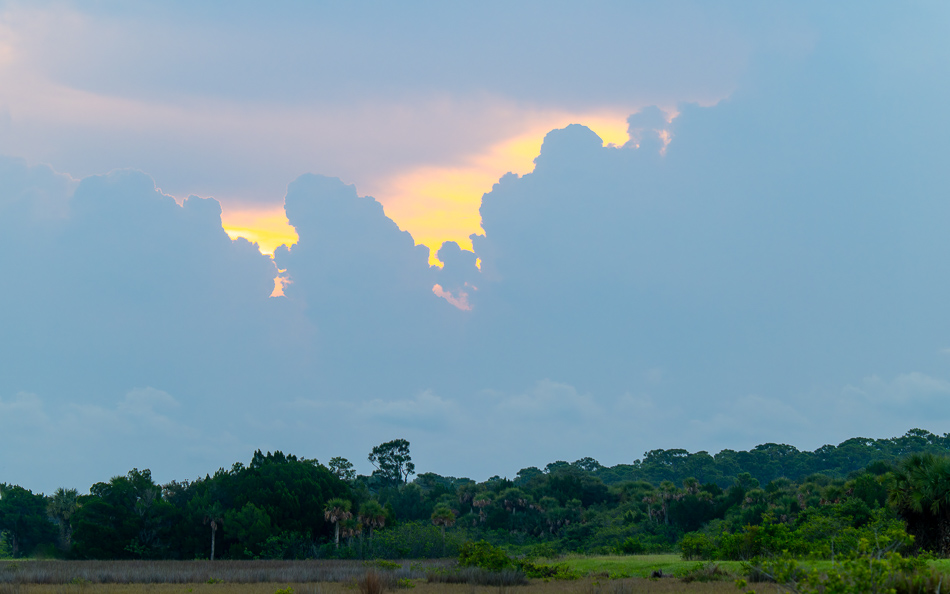
Sunrise
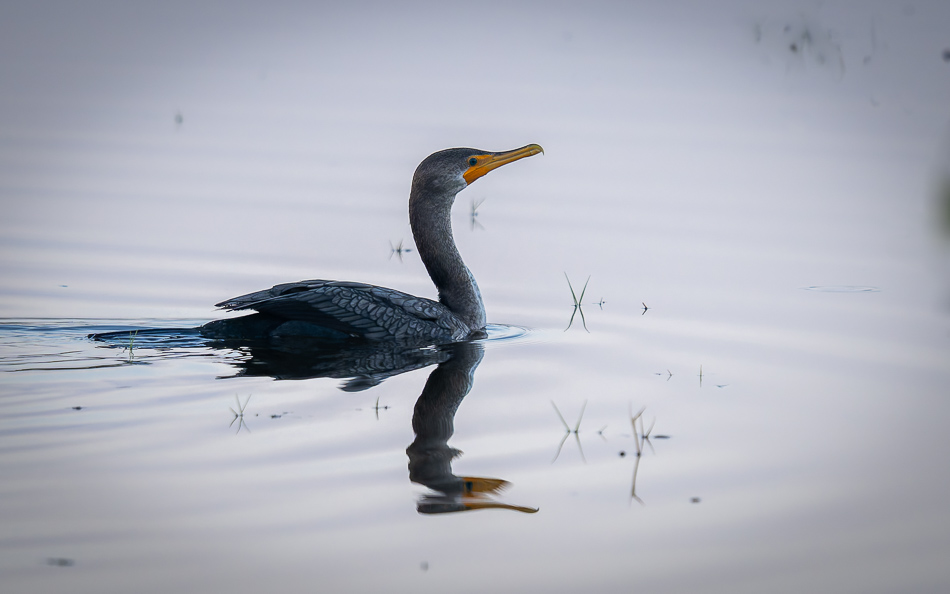
Cormorant
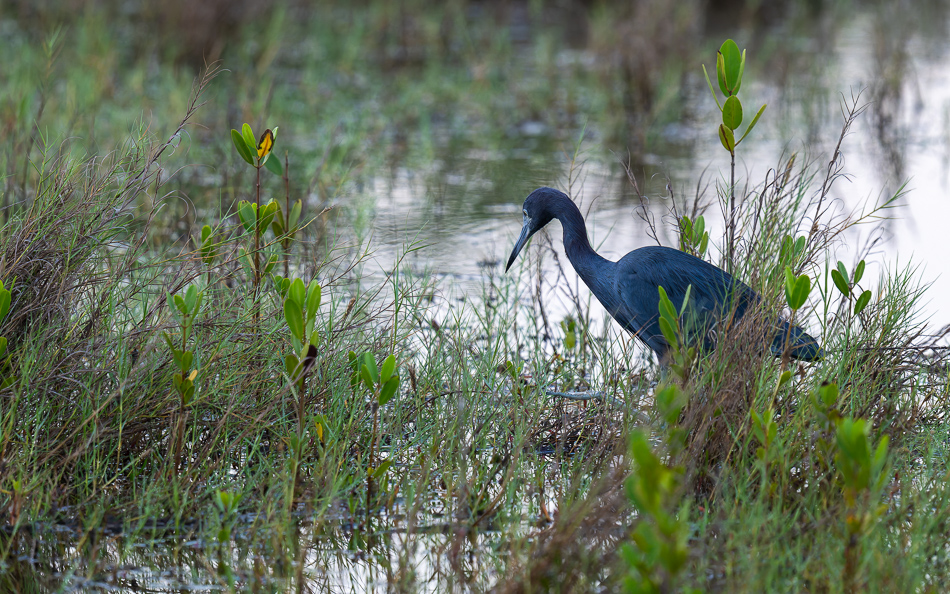
Non breeding Little Blue Heron
And that literally was it. It was so dead that he declined to do the additional drive over by the beach as well and went home early.
Sorry…no interesting things found on the net this time…
Cyas.














































































 Travels with Gunther and Kara